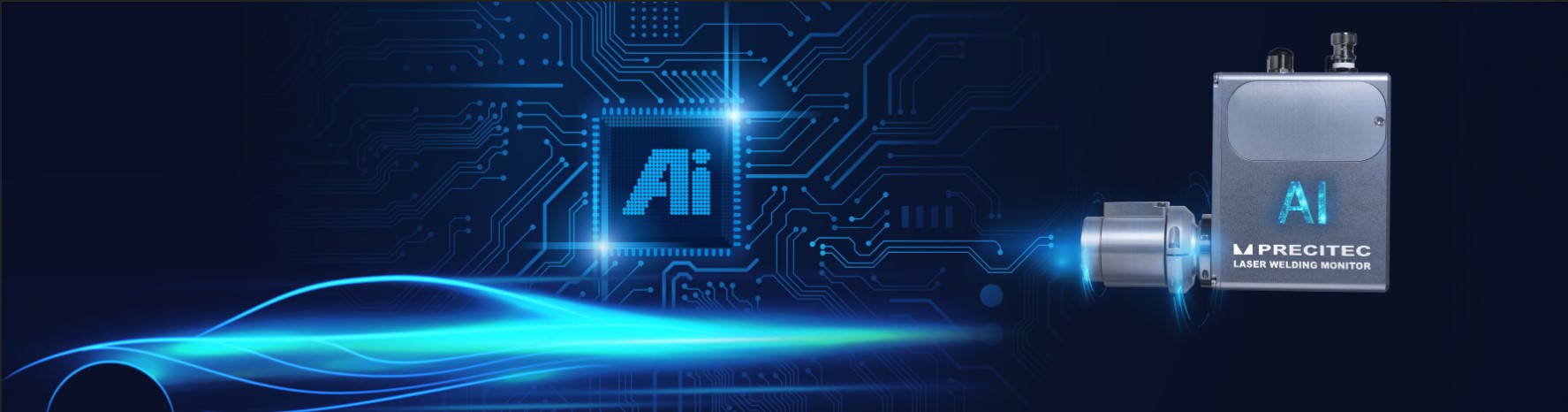
LWM AI: AI-based defect classification in laser welding
Detect process deviations, classify defect types and predict weld properties
The Laser Welding Monitor LWM AI monitors industrial laser welding processes inline and in real time. It detects process deviations, documents the data of every individual weld and ensures complete traceability. In addition, LWM AI uses trained AI models to interpret the captured process signals in greater depth.
Depending on the welding process and the available training data, the AI-based evaluation classifies application-specific defect types and predicts physical properties of the weld. These include weld strength, weld penetration depth, bonding area, gap size and electrical resistance.
System operators receive not only an OK/NOK evaluation, but also clearly interpretable quality values and indications of possible defect causes. This simplifies the selection of suitable rework strategies, supports process optimization and helps reduce scrap in series production.
LWM AI is based on the proven Laser Welding Monitor LWM and extends its conventional process monitoring capabilities with AI-based defect classification and quality prediction.
Video: AI-Based Quality Evaluation in Battery Production
The video shows how LWM AI evaluates process data during the laser welding of battery cells in real time, classifies defect types and predicts physical properties of the weld.
What does LWM AI add to conventional process monitoring?

Predict physical quality characteristics
LWM AI translates the captured process signals into application-specific quality values. Depending on the process and training data, characteristics such as weld strength, weld penetration depth, bonding area or electrical resistance can be predicted in real time. The evaluation is performed inline and without additional inspection time.

Classify defect types and identify possible causes
When a defective weld occurs, LWM AI provides more than an NOK evaluation: it classifies the underlying defect type. This allows possible causes to be identified more quickly and suitable corrective or rework strategies to be derived.
Ensure stable evaluation and complete documentation
Within a defined and trained parameter range, LWM AI can reliably evaluate changing process conditions. The results are documented for every individual weld and are available for traceability, quality assurance and process optimization.
LWM AI in practice: AI-based quality evaluation in series production
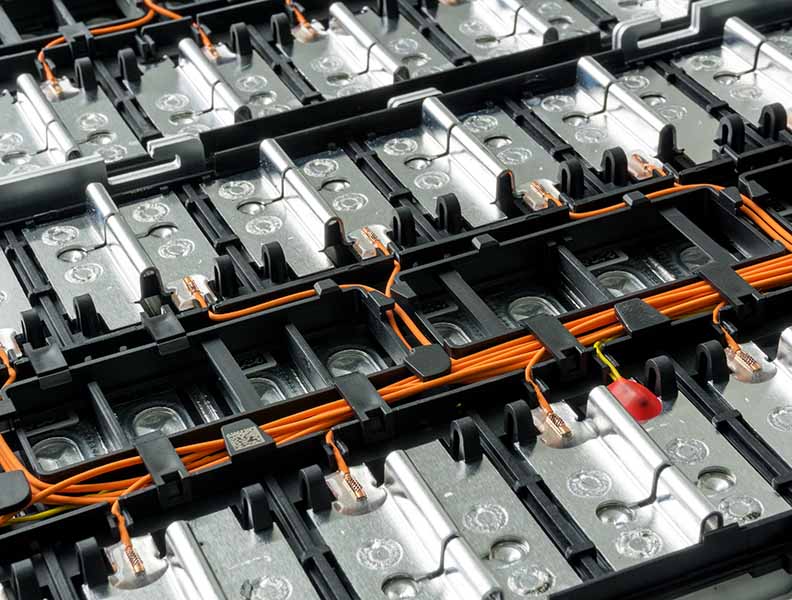
Battery contacting: predict weld properties in real time
In battery contacting, LWM AI predicts important quality characteristics in real time, depending on the application and training data:
- maximum load capacity or tensile force of the weld
- gap size between the components
- weld penetration depth
System operators receive directly interpretable quality values instead of complex signal curves alone. Possible defect causes, such as a faulty clamping device or a change in component position, can be identified more quickly and suitable corrective measures initiated.
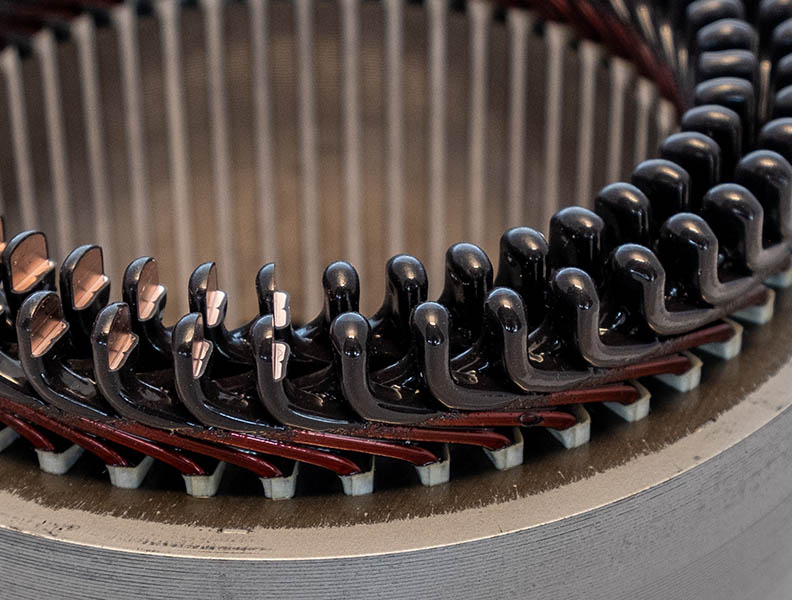
Hairpin welding: predict bonding area and electrical resistance
LWM AI predicts important quality characteristics during hairpin welding in real time:
- bonding area of the weld
- electrical resistance
In addition, the AI classifies possible defect types and can indicate insufficient laser power or an incorrect focus position, for example. This enables system operators to evaluate defective welds more reliably and define suitable rework measures.
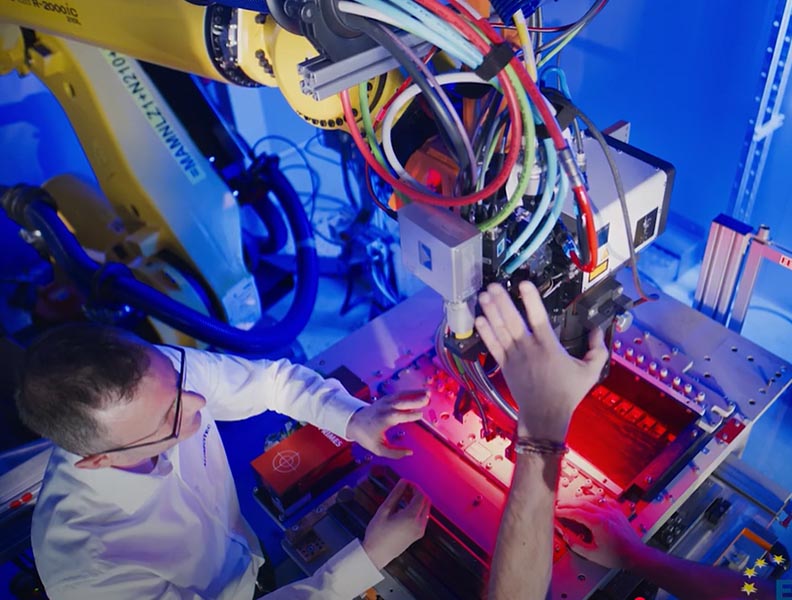
Audi use case: AI-based quality assurance for prismatic battery cells
Together with Audi, LWM AI was brought to series-production readiness for the contacting of prismatic battery cells. The AI analyzes the laser welding process in real time and predicts quality characteristics such as tensile force, gap size and weld penetration depth. It also detects deviations in focus position and laser power.
This allows systematic defects, for example in the clamping device or material handling, to be identified at an early stage. Clear physical quality values simplify evaluation, enable targeted rework and help reduce scrap while increasing productivity in battery cell production.
Technical data
- AI-based classification of application-specific defect types
- prediction of multiple physical quality characteristics in real time
- inline data acquisition and evaluation without additional inspection time
- automatic OK/NOK evaluation including defect type detection
- suitable for IR, blue and green solid-state lasers
- suitable for CW and pulsed laser processes
- potential applications: consumer electronics as well as battery and stator production for e-mobility
We need your consent to load the form!
We use Marketing Cloud Account Engagement (Pardot) Forms to embed content that may collect data about your activity. Please review the details and click in the Pardot box to accept the service and see the content. If the form is not displayed correctly, please click once more on Download the data sheet now.
Do you have any further question or would you like to get an offer? Then contact us!